read
Jeanne’s Story: Navigating the Healthcare System
Caregiver Jeanne shares a few tips she’s learned while providing care for her mother who has dementia.

Neurocognitive disorders such as Alzheimer’s disease or other forms of dementia are disorders of the brain. Caring for someone with Alzheimers’, dementia or other neurocognitive disorders can be challenging as the needs of the person you’re caring for evolve as the disease progresses.
People in the early stage of a neurocognitive disorder may understand that they are changing and be able to talk about it. At this stage you might:
Read more about the early stages in the Alzheimer’s Society ‘Progression’ series.
People in the middle stage of Alzheimer’s disease or a neurocognitive disorder will need more help with daily tasks as impacts on thinking and memory progress. At this stage:
Read more about the middle stage in the Alzheimer’s Society ‘Progression’ series.
During the late stage of a neurocognitive disorder, individuals become unable to communicate verbally or look after themselves. Eventually they lose the ability to eat, walk or use the restroom unassisted. At this stage you might:
Read more about the late stage in the Alzheimer’s Society ‘Progression’ series.
Alzheimer’s Society of Ontario – Find respite care options, adult day programs, professional homecare services and more.
iGeriCare – Free online lessons, events and resources for families and caregivers.

Learn the importance of when and what medical tests to request as well as the benefits and the risks of seeking an early diagnosis of dementia.

Learn how dance can foster social inclusion for people living with dementia, and more.
Learn about how the 8 A’s of dementia can help understand behaviour related to brain changes, and how to communicate with a person living with a dementia diagnosis
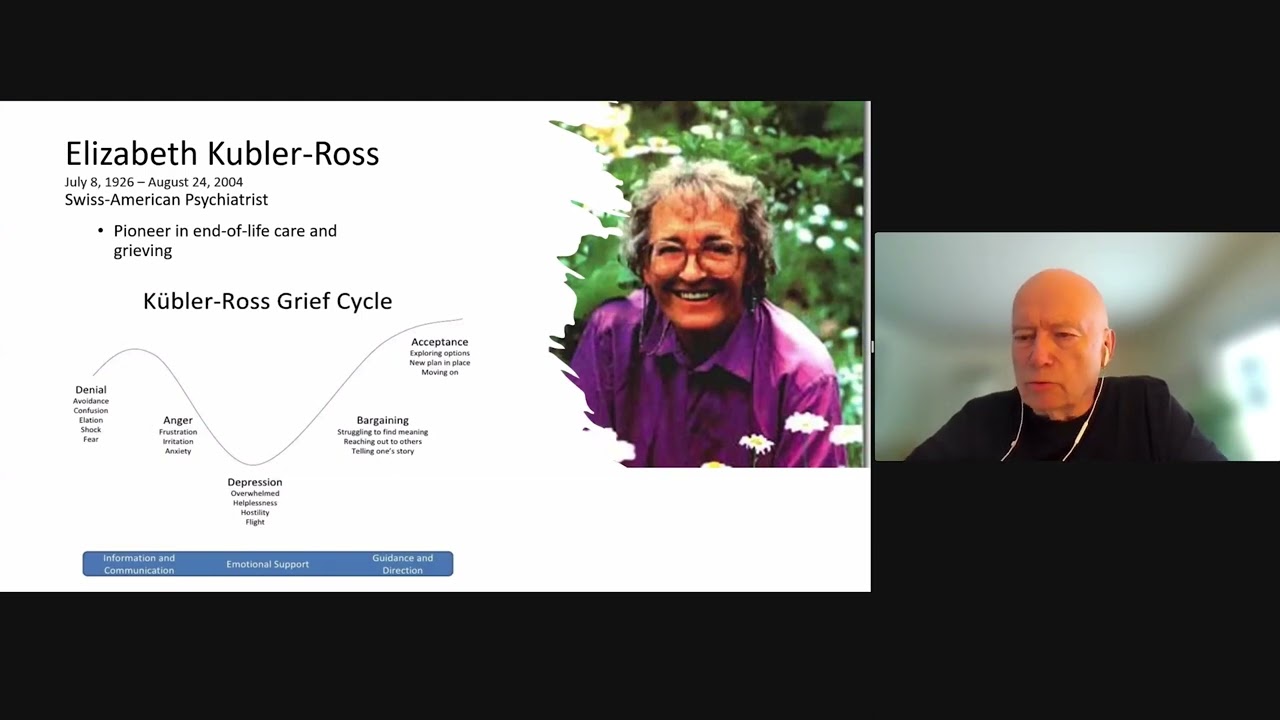
Learn about different kinds of grief and what you can do to understand the grieving process.

This session with a health lawyer aims to explain some of the common scenarios you may face as a caregiver, and practical strategies to address them.

Changes in personality and behaviour are common symptoms for people living with dementia. Learn more about behaviours changes and their impact on caregivers.

In this webinar, caregivers will learn about the fundamental aspects of advance care planning and the role of a substitute decision-maker.

Receiving a diagnosis of any form of dementia can be distressing for both the individual diagnosed and their caregiver. The Alzheimer Society of Ontario is returning to OCO to discuss the progression and stages of the disease.
Join us to gain insights into:

How Michelle Jobin is joined by Holly Prince and Jessica Wyatt to discuss CERAH, a Centre for Education and Research on Aging & Health at Lakehead University and discuss their experiences with caregiving and why this is so pivotal to Indigenous communities.

Jeanne
Caring for: Mother
Caregiver Jeanne shares a few tips she’s learned while providing care for her mother who has dementia.
Here are a list of suggested pages based off this topic.
Four million Ontarians are caring for a loved one and 69% say they’re not sure they can continue. They’re exhausted, and they need help.
Your gift to the Ontario Caregiver Organization connects caregivers with free, compassionate support.
Every caregiver deserves to know they’re not alone. Donate today.



Take our quiz to get helpful resources based directly on your needs.