Quiz
Take our quiz to get helpful resources based directly on your needs.
Learn how to prompt AI toward helpful answers and know when to bring in a human instead.
From search results to everyday apps, AI is appearing in more places and changing how people find information. When it comes to AI for caregivers, there are practical questions to consider, such as how to recognize AI-generated information, when these tools can be helpful, what information to keep private, and when to turn to a professional.
Whether new to AI, already familiar with it, or unsure about it, this session offers a clear look at how to navigate these tools safely.
This video covers:
As a caregiver, staying connected to your community while finding support for yourself and the person you care for can be difficult. The Older Adult Centres’ Association of Ontario (OACAO) and Ontario’s network of Seniors Active Living Centres (SALCs) offer programs and services designed to promote healthy aging and social participation for older adults and caregivers alike.
Watch this webinar and learn:
About the Speakers
The Older Adult Centres’ Association of Ontario (OACAO) is a not-for-profit charitable organization and the provincial voice for over 275 community-based older adult centres, Seniors Active Living Centres (SALCs), and municipally run organizations across Ontario. Since 1973, OACAO has supported its members through leadership, advocacy, education, networking, and capacity building.
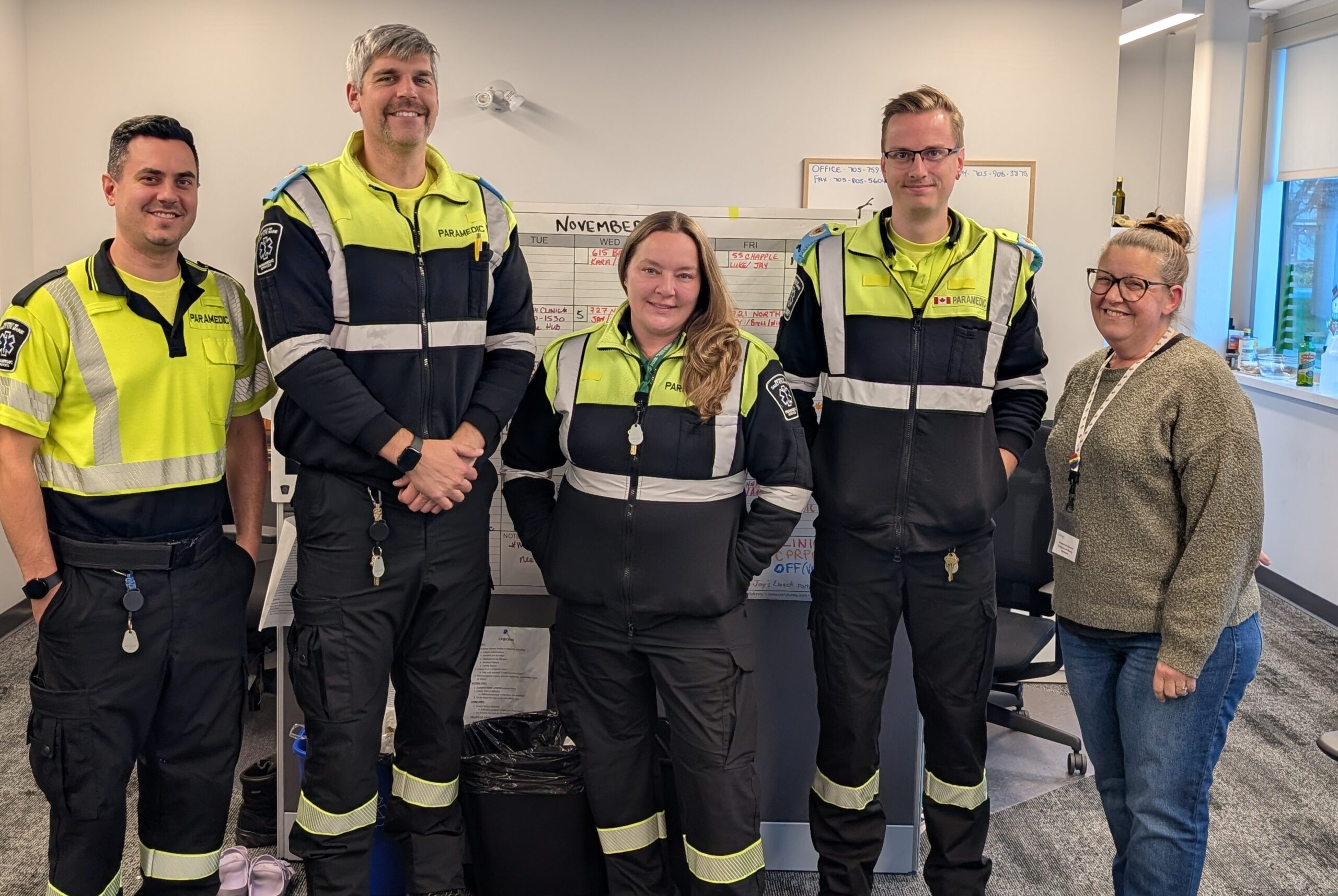
Community paramedicine programs are proven to reduce 911 calls, improve patient quality of life, and reduce chronic disease risk.
Sault Ste. Marie’s Community Paramedicine Program does just that, delivering non-emergency, in-home healthcare to the more than 70,000 residents in this rural northern
community.
Its focus: serving older adults with complex medical needs who may be at risk of hospitalization or are awaiting long term care—many of whom have caregivers living with them.
These caregivers, who provide up to 75% of patient care, also need support to keep them healthy, well, and able to continue providing critical care.
But staff are facing increased demands to provide more than medical care, and to support things like system navigation as well as unique complexities at home through emotional support.
This doesn’t just increase pressure on staff: these capacity issues can mean less opportunities to support caregivers and increase the risk of caregiver burnout. With data showing that improved caregiver health and wellbeing directly correlate with improved patient outcomes, this can also have consequences for quality of care.
“ By supporting the caregiver of our patients, we are supporting our patients. And that’s kind of the outlook that we have.”
Healthcare Provider
That’s where Caregiver Link Workers come in. Partnering with Sault Ste. Marie’s Community Paramedicine Program, Caregiver Link Workers from our Caregiver Social Prescribing Program join their staff for home visits: supporting the caregiver while the paramedicine team supports the patient—AKA tandem visits.
Through training and experience, Caregiver Link Workers understand the unique challenges caregivers face and can connect them to the right local, culturally appropriate, recreational, and social systems and services they need.
By ensuring that caregivers are meaningfully engaged with and supported, they strengthen the overall community-based supports and services offered by paramedicine programs.
Our program evaluation indicated that these tandem visits helped reduce provider burden:
“By addressing the broader needs of patients and caregivers through social connections and community resources, social prescribing can help alleviate some of the pressures on our team. This can reduce burnout and improve job satisfaction.”
Healthcare Provider

There’s no guidebook that teaches you how to be a caregiver. You may be trying to find answers and resources between medical appointments, prescription pick-ups, and providing hands-on care.
Connect is here to help. It’s a free monthly newsletter from the Ontario Caregiver Organization, available in English and French, built for the 4 million people in Ontario who care for a family member, partner, friend, or neighbour.
Each month, you can expect:
This newsletter is designed to support caregivers: family members, partners, friends, and neighbours who provide care when someone in their life needs them.
If you’re a caregiver, this monthly newsletter will help you on your caregiver journey.
If you’re looking to support a caregiver in your life, you can sign up and share OCO’s resources with them.
Yes we do!
If you’re a caregiver looking for more support, our 90Second Caregiver is a free, evidence-based weekly newsletter that shares health information, tips, and advice. Designed to be read in 90 seconds, because we know how busy you are.
If you’re a healthcare provider looking to include and support caregivers in your work, join our Essential Care Partner Learning Collaborative, an interactive forum for healthcare organizations with a focus on caregiver inclusion.
If you’re looking for past issues of the newsletter, you can find the most recent issues right here:
As a caregiver, you spend time, energy, and much of yourself showing up for the person you care for, and that support makes a real difference. But what happens if the unexpected occurs? With many caregivers experiencing burnout and the reality of unplanned life events impacting care, having a backup plan in place can offer peace of mind, reduce stress, and help ensure that you are looked after and the person you care for continues to receive support. This webinar covers:
This webinar explains what the Disability Tax Credit is and how to make the best use of it.
The Disability Tax Credit (DTC) is a non-refundable federal tax credit that can help reduce the amount of taxes owed by a person with a disability or someone who supports them. It is also a gateway benefit that gives access to other programs such as the Canada Disability Benefit and the Registered Disability Savings Plan.
There are many ways someone can qualify for the DTC, and we know that only about 16% of people who are eligible for this credit are receiving it.
Tune in to learn:

Now you don’t have to. Through SCALE Together ™ you get a structured, ready-to-run program proven to help caregivers cope with the emotional aspects of caregiving. Plus, it’s free.
Partner organizations get the resources they need to implement the program, including webinars, workbooks, evaluation tools, and ongoing support from OCO staff.
Are you a caregiver looking for support? You can access SCALE programming on demand or learn more about the program.
The program runs over eight weeks, covering topics like burnout, caregiver guilt, grief, stress, and boundary-setting. Each week, your organization will host a 90-minute in-person session, structured in three steps:
Stream OCO’s live or recorded psychoeducational webinar in your setting, in an accessible space.
After the webinar, a regulated health professional from your organization leads a 30-minute group debrief.
Following the sessions, you can refer caregivers to OCO’s free programs to support caregiver well-being.
Participate alongside OCO’s online SCALE program at the same date and time (October–November and February–March). Webinars are delivered “Live”.
Use pre-recorded webinars at a date and time chosen by your organization.
Please note: Counselling services associated with the SCALE program are available only during OCO’s SCALE program periods (October–November and February–March). Outside of these periods, participants can access OCO’s Peer Support and Caregiver Coaching programs.
Real impact from caregivers who participated in our SCALE program.
gained tools to manage their own wellbeing
reported a helpful shift in their caregiving outlook
felt more emotionally supported in their role
When you partner with OCO for SCALE Together™, you get a pre-built program designed to support caregiver mental health on-site. It’s ready-to-run, evidence-based, and free.
You provide:
We’ll help with the rest:
“This series has been invaluable, for myself and the group of caregivers recruited to join. I also find the Essential Care Partners Support Hub to be hugely helpful for resources to share with the broader team, and this has truly supported colleagues in caregiver identification, inclusion, and pointing them to supports.”
SCALE Together™ participating organization
Yes. A regulated health professional is required to facilitate the weekly debrief sessions. The content addresses sensitive emotional topics, and qualified facilitation ensures caregivers are supported appropriately
Contact our team to explore what options might be possible: partners@ontariocaregiver.ca
No. SCALE Together™ is free for partner organizations. The Ontario Caregiver Organization provides all program materials, co-branded promotional resources, and a dedicated contact to support you.
The only investment required from your organization is staff time to facilitate and promote the program and providing a space within your facility to run the program.
Note that you cannot charge participants/registrants/caregivers for accessing this program.
SCALE Together™ is an 8-week program. Sessions are approximately 90 minutes each: one hour for the psychoeducational webinar and 30 minutes for a facilitated group debrief.
SCALE Together™ is an in-person program. For organizations that prefer virtual delivery, OCO recommends promoting the original online SCALE program, which caregivers can join directly at no cost.
If you’re a caregiver looking for mental health support, our SCALE Program is available on demand with workbooks and webinars you can go through at your own pace. This is an online, self-directed option.
Note that we cannot provide referrals to settings that offer SCALE Together™, since they are run independently by partner organizations.
If you’re interested in bringing SCALE Together™ to your organization, reach out to us at partners@ontariocaregiver.ca.

If you’re feeling inspired, our team would love to connect. Partnering with us is straightforward and you’ll have support along the way from our first conversation to the program launch. There’s no cost and no curriculum to develop.
Get in touchCaring for someone you love can feel overwhelming, isolating and at times impossible. Host Michelle Jobin is joined by Stephanie Van Buskirk, Caregiver Link Worker with the Ontario Caregiver Organization, and Karen Doughty, a caregiver who supported both of her parents through terminal cancer diagnoses during the height of the COVID-19 pandemic. Karen shares her deeply personal caregiver story of anticipatory grief, exhaustion, isolation and the quiet ways she lost herself in caregiving.
Join us as we honour the invaluable contributions caregivers make to our communities and healthcare system. This event features:
Whether you’re a caregiver, healthcare provider, system leader, or simply someone interested in supporting caregivers, this event is for you.
Four million Ontarians are caring for a loved one and 69% say they’re not sure they can continue. They’re exhausted, and they need help.
Your gift to the Ontario Caregiver Organization connects caregivers with free, compassionate support.
Every caregiver deserves to know they’re not alone. Donate today.


Take our quiz to get helpful resources based directly on your needs.